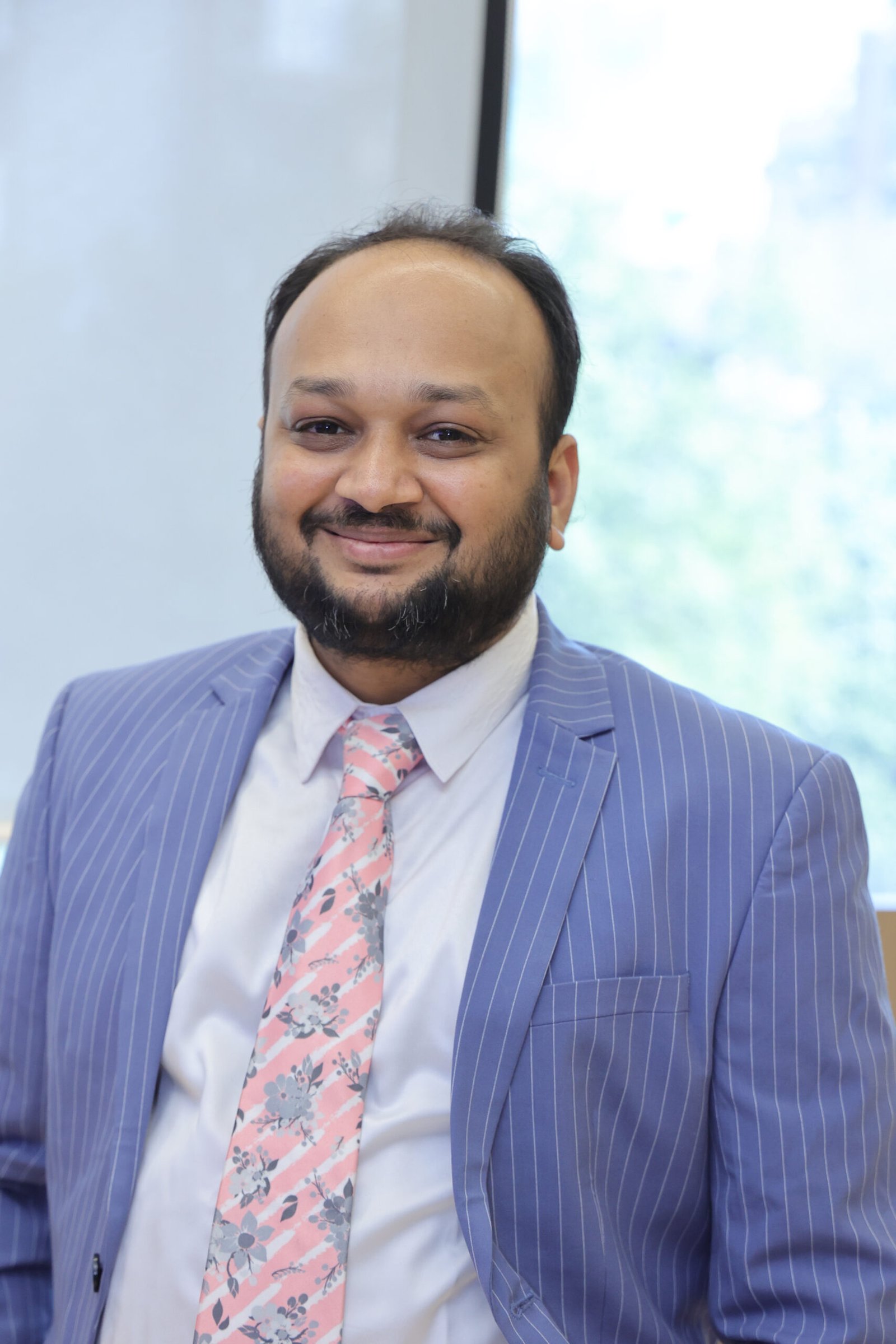
By Dr. Jignesh M. Gala — Vitreoretinal & Cataract Surgeon, Crystal Clear Eye Clinic, Andheri West, Mumbai
When I look back at the year I spent as a Medical & Surgical Retina fellow at the L V Prasad Eye Institute (LVPEI), Hyderabad — between 2018 and 2019 — I think of it less as a year of training and more as the year that fundamentally rewired how I think about the retina.
LVPEI, as those of us who have trained there call it, is one of the few eye hospitals in the world where the volume of patients, the breadth of pathology, and the quality of mentorship come together in a way that is genuinely hard to replicate anywhere else. It is consistently ranked among the leading eye care institutions globally, and its retina department — the Smt. Kanuri Santhamma Centre for Vitreo Retinal Diseases — was where I lived, in every practical sense, for that year.
Here is what that year actually looked like.
The Numbers
On any given clinical day, I personally examined between 60 and 80 retina patients. Over the course of a year, that adds up to many thousands of pairs of eyes — each with a slightly different story, a slightly different stage of disease, and a slightly different management decision. By the time I returned to Mumbai, I had:
- Personally examined over 2,000 babies for Retinopathy of Prematurity (ROP)
- Performed 300+ retinal surgeries, including vitrectomies for diabetic retinopathy, retinal detachment repair, and complex epiretinal membrane procedures
- Delivered over 6,000 retinal laser treatments — for diabetic retinopathy, retinal tears, vascular occlusions, and more
- Performed 300+ ROP laser procedures on premature babies, often weighing under a kilogram — one of the most technically delicate procedures in all of ophthalmology
- Administered 2,000+ intravitreal injections for conditions including diabetic macular edema, age-related macular degeneration (ARMD), and retinal vein occlusions
I share these numbers not as a boast but for a specific reason: in ophthalmology — and especially in vitreoretinal surgery — clinical volume is what converts theoretical knowledge into instinct. The pattern recognition I rely on in my clinic every day, the surgical confidence I bring to a complex retinal detachment, the steady decision-making I draw on with a fragile premature baby on the operating table — all of it was built in that year at LVPEI.
What Retinopathy of Prematurity Taught Me
The thing about Retinopathy of Prematurity is that it does not wait. A baby born at 28 weeks of gestation can develop sight-threatening retinal changes within days, and a missed screening or a delayed treatment can mean lifelong blindness. At LVPEI, ROP work is treated with the seriousness of an emergency service — because, in every meaningful sense, it is one.
Examining over 2,000 premature babies in twelve months teaches you to see what is invisible to the untrained eye: the subtle vascular ridge, the earliest signs of plus disease, the precise moment when watchful waiting must give way to laser intervention. It also teaches you something less technical but, I now think, equally important — how to speak to frightened parents in a way that is honest, reassuring, and clear. At the time I did not fully appreciate this part of the training; today, I use it every working day at Crystal Clear Eye Clinic.
The Mentors Who Shaped That Year
You cannot honestly talk about a year on LVPEI’s retina service without talking about the people who teach there. I had the privilege of training directly under some of India’s most respected vitreoretinal surgeons:
- Dr. Subhadra Jalali — whose pioneering work in pediatric retina and ROP has shaped national screening policy in India, and whose patience with junior surgeons is, in my experience, unmatched.
- Dr. Raja Narayanan — whose research output on diabetic retinopathy and clinical trial work is internationally recognised, and who taught me to think about every patient through the lens of evidence rather than habit.
- Dr. Padmaja Kumari Rani — who runs LVPEI’s tele-ophthalmology programme and showed me, perhaps more than anyone else, how technology and clinical care can be combined to extend retina services to corners of India that would otherwise never see a specialist.
- Dr. Komal Agarwal — a surgeon I watched handle complex vitrectomies with the kind of quiet, unhurried efficiency that only years of focused practice can build.
- Dr. Hitesh Agarwal — whose surgical teaching in the operating theatre, patient and specific and never rushed, I still carry with me when I am training my own juniors today.
What these surgeons have in common is something LVPEI as an institution embodies: an absolute, non-negotiable commitment to do the right thing for the patient in front of you, whether they walked in through the private wing or the free community service. That ethic stays with me.
What I Brought Back to Mumbai
When I returned to Mumbai in 2019, I carried more than a fellowship certificate. I carried a particular way of looking at retinas — methodical, evidence-driven, and patient-first. I carried the surgical instincts that come from doing hundreds of cases under expert supervision. And I carried the conviction that good retina care should not be a luxury available only to those who can travel to specialist centres.
Today, at Crystal Clear Eye Clinic in Andheri West, I see patients across the full spectrum of retinal disease — early diabetic changes that can still be reversed, advanced retinal detachments that need urgent surgery, age-related macular degeneration requiring monthly injections, post-cataract retinal complications, and yes, premature babies who need ROP screening. The fellowship at LVPEI is what made all of this possible.
A Note to Anyone Reading This With a Retina Concern
If you have been told you should “see a retina specialist,” if your diabetes has gone long enough that a retinal check-up is overdue, or if you are caring for a premature baby and the word ROP has been mentioned — please do not delay. The retina is one of the few parts of the eye where time directly translates to vision saved or vision lost. Earlier is almost always better.
About the Author
Dr. Jignesh M. Gala is a vitreoretinal and cataract surgeon based at Crystal Clear Eye Clinic, Andheri West, Mumbai. He holds MRCS (Edinburgh) and FRCS (Glasgow) — dual Royal College surgical qualifications from the United Kingdom — along with FICO (London), and completed dual fellowships in Comprehensive Ophthalmology and Medical & Surgical Retina at L V Prasad Eye Institute, Hyderabad. He subsequently served as a Resident Physician in the Department of Ophthalmology at Tan Tock Seng Hospital, Singapore. He is a peer reviewer for BMJ Case Reports.
To book a retina consultation: 🌐 crystalcleareye.in 📞 +91 70450 00503 💬 WhatsApp +91 77188 85245 📍 Crystal Clear Eye Clinic, Laram Centre, Andheri West, Mumbai