
By Dr. Jignesh Gala | Crystal Clear Eye | crystalcleareye.in
By Dr. Jignesh Gala | Crystal Clear Eye | crystalcleareye.in
Are you tired of fumbling for your glasses first thing in the morning? Do you wish you could see the world clearly — effortlessly, every single day — without depending on spectacles or contact lenses? If you are over 40 and searching for a permanent solution to your vision problems, Refractive Lens Exchange (RLE) may be the transformative procedure you have been looking for. (Book RLE consultation Mumbai)
At Crystal Clear Eye, Dr. Jignesh Gala (best doctor for glasses removal surgery)brings decades of ophthalmic expertise to patients across India, offering advanced vision correction procedures tailored to each individual’s unique eye anatomy and lifestyle needs. In this comprehensive guide, we explain everything you need to know about Refractive Lens Exchange — what it is, how it works, who qualifies, and why Crystal Clear Eye is the trusted destination for premium lens surgery in India.
What Is Refractive Lens Exchange (RLE)?
Refractive Lens Exchange, also known as Clear Lens Extraction (CLE) or Lens Replacement Surgery, is an advanced ophthalmic procedure in which the eye’s natural crystalline lens is removed and replaced with an artificial intraocular lens (IOL) to correct refractive errors such as myopia (nearsightedness), hyperopia (farsightedness), astigmatism, and presbyopia.(Book RLE consultation Mumbai)
Unlike LASIK or PRK, which reshape the cornea to correct vision, RLE targets the source of most age-related and high refractive errors directly — the natural lens itself. By replacing the aging, inflexible, or optically imperfect natural lens with a precisely calculated premium IOL, RLE delivers exceptional and lasting visual outcomes.(talk to eye specialist for presbyopia)
The procedure is essentially the same as modern cataract surgery, but performed electively before a cataract has developed. This means that in addition to correcting your refractive error, RLE also permanently eliminates your chances of ever developing a cataract in the treated eye — a significant long-term benefit that many patients find especially compelling. (Schedule lens replacement surgery)
How Is RLE Different From LASIK?
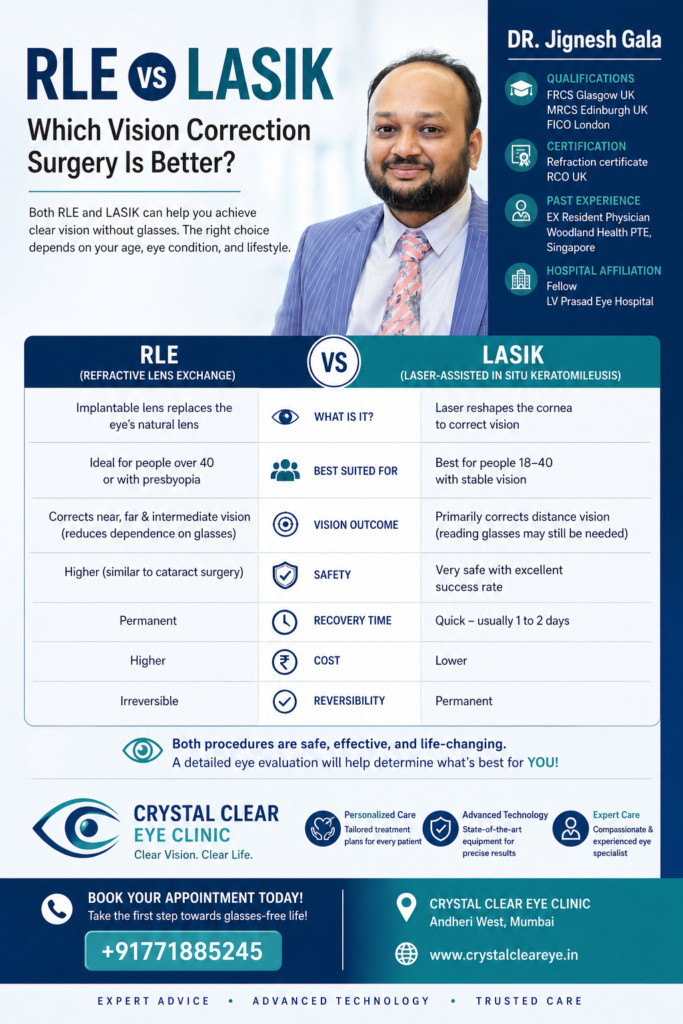
LASIK and other laser vision correction procedures work by reshaping the cornea using a laser. While LASIK is a highly effective and popular option for younger patients with moderate refractive errors, it is not always suitable for everyone. Patients over 40, those with thin or irregular corneas, those with very high prescriptions, and those with early presbyopia may find that RLE delivers superior, more predictable results.
RLE, by contrast, replaces the entire natural lens, which means the correction is not dependent on corneal thickness or shape. The outcomes are also permanent — unlike the corneal changes from LASIK, which can occasionally require enhancement, the artificial IOL inserted during RLE does not change over time.
Who Is a Good Candidate for Refractive Lens Exchange?

One of the most common questions Dr. Jignesh Gala receives at Crystal Clear Eye is: ‘Am I a good candidate for RLE?’ The answer depends on a thorough evaluation of your eye health, prescription, lifestyle, and goals. However, RLE is generally an excellent option for the following groups of patients:(talk to eye specialist for presbyopia)
1. Patients Over 40 With Presbyopia
Presbyopia is the age-related loss of the eye’s ability to focus on near objects, leading to the need for reading glasses. It occurs because the natural lens gradually loses its flexibility. Since RLE replaces the natural lens with a premium multifocal or extended-depth-of-focus (EDOF) IOL, it can simultaneously correct presbyopia and distance vision — freeing patients from both reading glasses and distance spectacles. (Book RLE consultation Mumbai)
2. Patients With High Myopia or High Hyperopia

Patients with very high degrees of nearsightedness (greater than -8.00 D) or farsightedness (greater than +4.00 D) often find that LASIK or SMILE cannot fully correct their prescription because the degree of corneal reshaping required would be too great. RLE is perfectly suited for these patients, as the IOL power can be customised to any prescription with high precision. (Schedule lens replacement surgery)
3. Patients With Thin Corneas
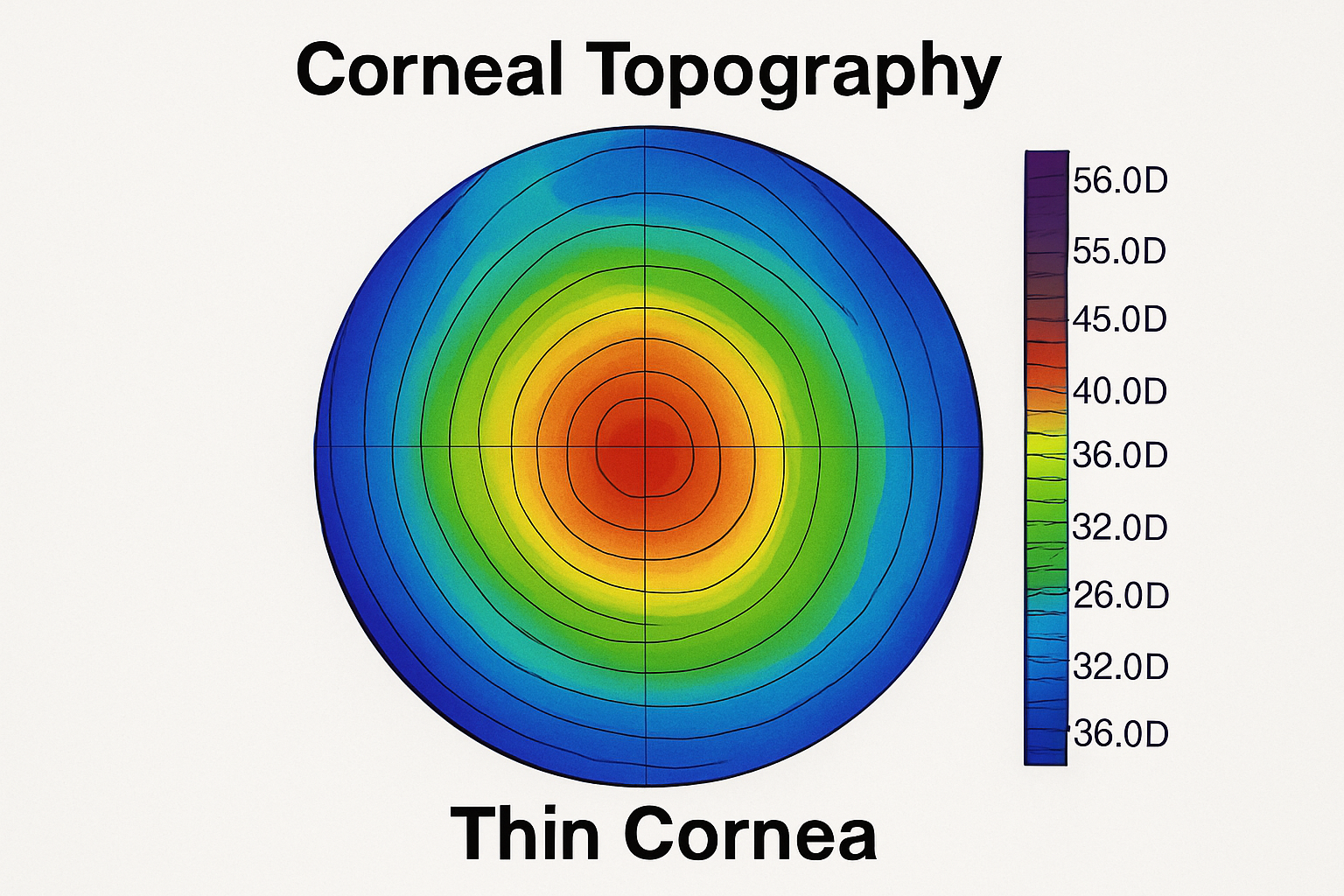
For patients whose corneal thickness is insufficient for LASIK or SMILE, RLE offers an equally effective — and often superior — alternative that does not involve the cornea at all. Your cornea remains completely untouched during RLE.
4. Patients Who Are Not LASIK Candidates
Dry eye disease, irregular corneal surface (such as early keratoconus), and certain corneal pathologies may exclude patients from laser vision correction. RLE bypasses all these concerns, as it involves the lens, not the cornea.(Schedule lens replacement surgery)
5. Patients Who Want to Avoid Cataracts in the Future
Since the natural lens is removed and replaced during RLE, the treated eye can never develop a cataract. For patients with a family history of early-onset cataract, or for those who simply wish to proactively eliminate this future concern, RLE provides meaningful peace of mind.
Am I Too Young or Too Old for RLE?
Most surgeons, including Dr. Jignesh Gala, recommend RLE for patients between the ages of 40 and 70. Younger patients (typically under 40) still have an accommodating natural lens and may be better served by LASIK or SMILE. Patients over 70 may also benefit from RLE, though a thorough evaluation of the retina and optic nerve is essential to ensure optimal outcomes.(talk to eye specialist for presbyopia)
Types of Intraocular Lenses (IOLs) Used in RLE
The choice of intraocular lens is one of the most important decisions in Refractive Lens Exchange. At Crystal Clear Eye, Dr. Jignesh Gala (best doctor for glasses removal surgery)offers a comprehensive range of premium IOL technologies to match each patient’s visual needs and lifestyle. Here is a detailed overview of the main IOL types available:
1. Monofocal IOLs
Monofocal IOLs provide excellent clarity at a single fixed focal distance — typically distance vision. They are the most widely used IOLs globally and deliver highly predictable outcomes. Patients who choose monofocal IOLs for distance correction may still require reading glasses for near work. However, a technique called ‘monovision’ — where one eye is corrected for distance and the other for near — can reduce spectacle dependence significantly.
Best for: Patients who prioritise crisp distance vision and do not mind using reading glasses for near tasks.(Book RLE consultation Mumbai)
2. Multifocal IOLs
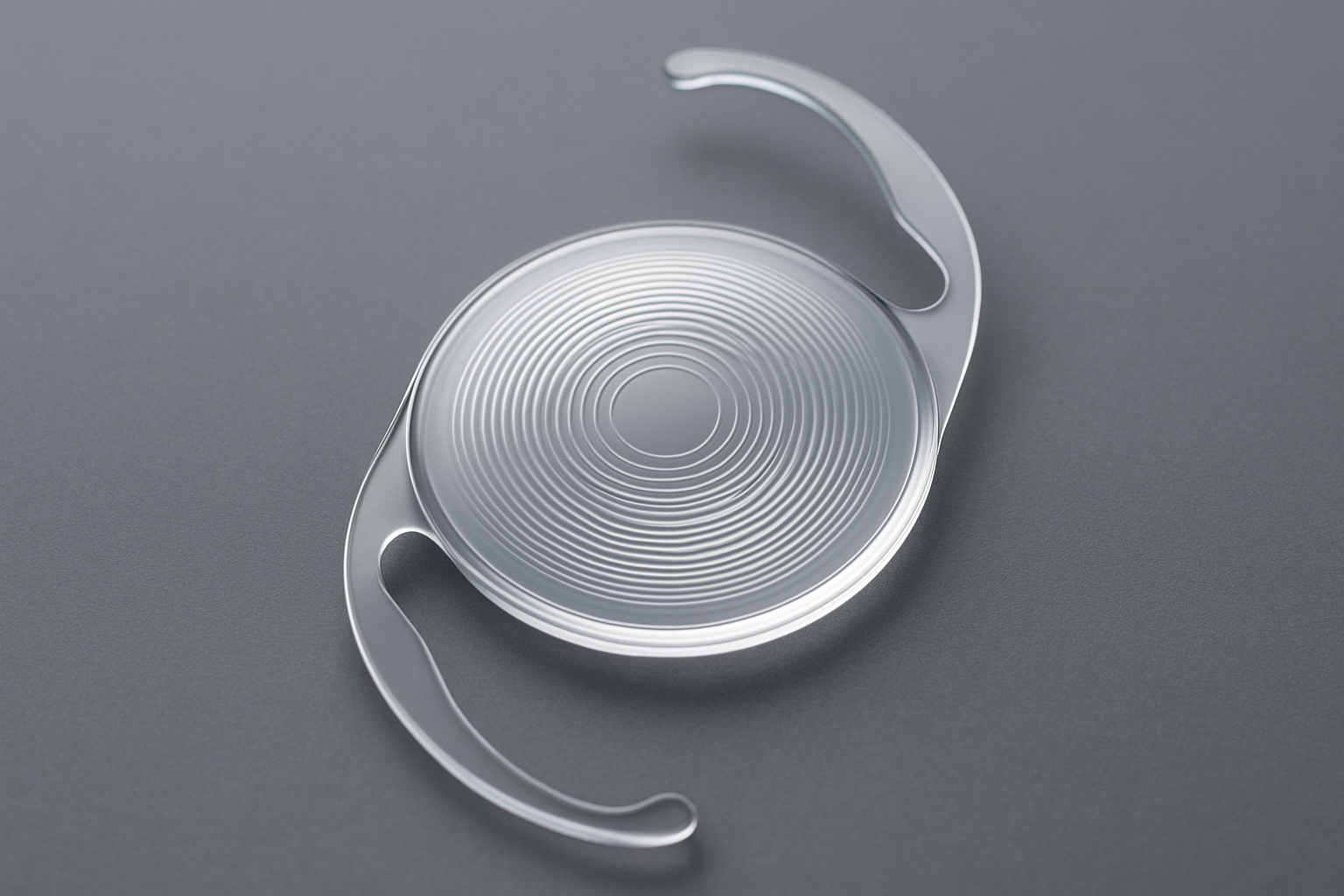
Multifocal IOLs use diffractive or refractive optics to split incoming light into multiple focal points, enabling clear vision at distance, intermediate, and near distances simultaneously. Modern multifocal IOLs — including trifocal designs — have dramatically reduced the incidence of optical side effects such as halos and glare, making them a popular and effective choice for spectacle independence.
Best for: Active patients who wish to read, use digital devices, and drive without any spectacles.(Schedule lens replacement surgery)
3. Extended Depth of Focus (EDOF) IOLs
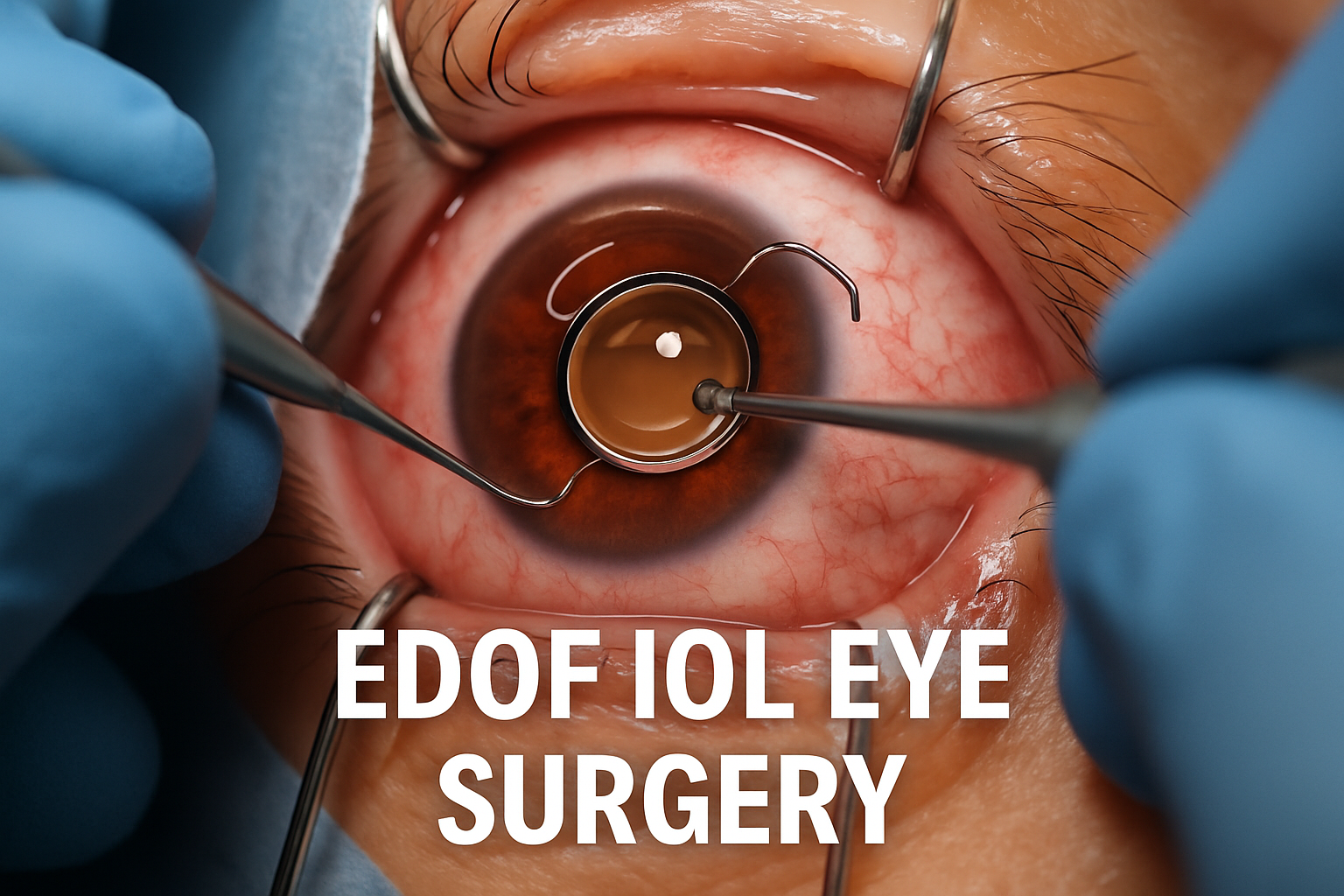
EDOF IOLs represent the latest evolution in IOL technology. Rather than creating discrete focal points like multifocal IOLs, EDOF lenses elongate the depth of focus, providing a continuous and seamless range of clear vision from distance to intermediate. They are associated with fewer halos and better contrast sensitivity than traditional multifocal lenses, making them particularly well-suited to patients with visually demanding lifestyles such as night driving and computer work.
Best for: Patients who want excellent distance and intermediate vision with fewer optical side effects.(talk to eye specialist for presbyopia)
4. Toric IOLs
Toric IOLs are specifically designed to correct astigmatism. They feature a unique cylindrical optical component that neutralises the asymmetric curvature of the cornea responsible for astigmatism. Toric IOLs can be monofocal, multifocal, or EDOF, meaning your astigmatism can be corrected simultaneously with presbyopia and your overall refractive error.
Best for: Patients with significant corneal astigmatism who require precise, comprehensive vision correction.(Book RLE consultation Mumbai)
5. Light Adjustable Lenses (LAL)
One of the most advanced IOL technologies available, the Light Adjustable Lens allows the power of the lens to be fine-tuned after surgery using ultraviolet light treatments. This means that after your initial healing, your surgeon can precisely adjust your lens power based on your actual visual outcomes — a remarkable advantage for patients who prioritise absolute precision.
Best for: Patients who desire the highest possible level of postoperative customisation and precision.
The Refractive Lens Exchange Procedure: Step by Step
Understanding exactly what happens during RLE can help alleviate anxiety and ensure you are fully prepared. Here is a detailed walkthrough of the entire process at Crystal Clear Eye:
Step 1: Comprehensive Pre-operative Evaluation
Before any surgery is planned, Dr. Jignesh Gala conducts a thorough eye examination that includes:
- Corneal topography and tomography to map the shape and thickness of your cornea(talk to eye specialist for presbyopia)
- Optical biometry to precisely measure the length of your eye and curvature of the cornea, used to calculate the ideal IOL power
- Retinal examination to assess the health of the macula and peripheral retina
- Ocular coherence tomography (OCT) imaging for detailed cross-sectional analysis
- Assessment of pupil size, especially in dim light conditions
- Tear film evaluation and dry eye assessment
- A detailed discussion of your visual goals, occupation, lifestyle, and IOL preferences(Book RLE consultation Mumbai)
This pre-operative evaluation typically takes 1.5 to 2 hours. Based on the results, Dr. Gala will recommend the most appropriate IOL type and discuss realistic expectations for your outcomes.
Step 2: IOL Power Calculation
Accurate IOL power calculation is the cornerstone of a successful RLE outcome. At Crystal Clear Eye, we use the latest generation optical biometry devices and advanced IOL power formulae — including the Barrett Universal II, Kane, and Hill-RBF formulae — to calculate the ideal lens power for your eye. For patients with prior laser eye surgery (such as LASIK), specialised calculation methods are used to ensure accuracy.(Schedule lens replacement surgery)
Step 3: The Surgical Procedure
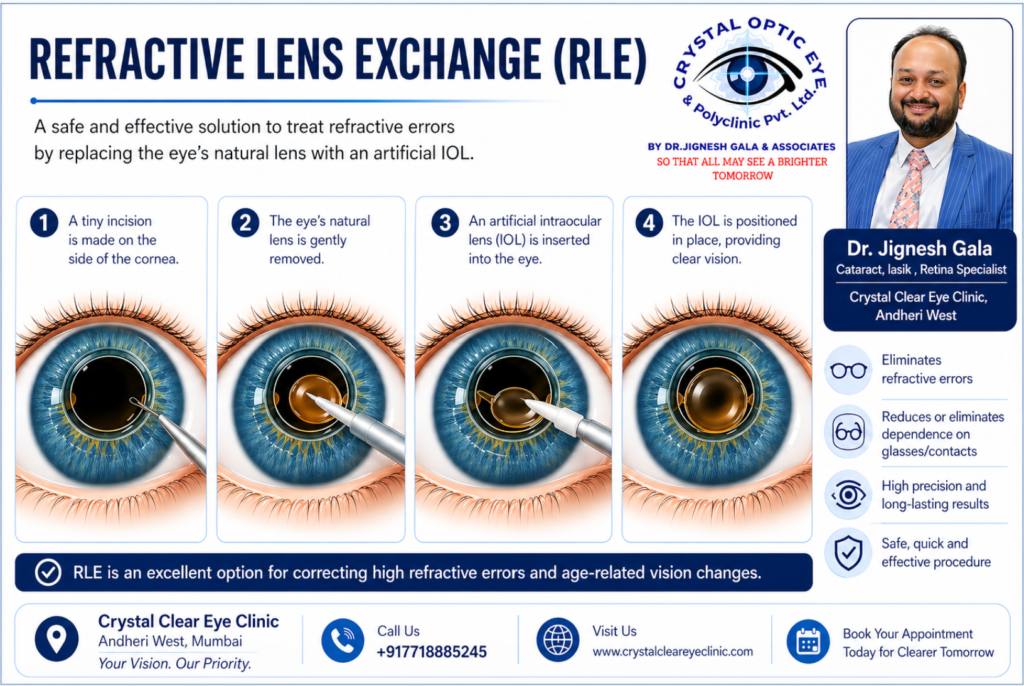
RLE is performed as a day-care procedure under topical (eye drop) anaesthesia, meaning no injections are needed in the vast majority of cases. The surgery typically takes 10 to 15 minutes per eye and is entirely painless.
- A tiny micro-incision (typically 2.2 mm or less) is made at the periphery of the cornea
- A continuous circular opening (capsulorhexis) is created in the lens capsule(talk to eye specialist for presbyopia)
- The natural lens is gently fragmented using ultrasound energy (phacoemulsification) and aspirated out of the eye
- The artificial IOL is carefully folded and inserted through the micro-incision
- The IOL unfolds and centres itself precisely within the lens capsule(Book RLE consultation Mumbai)
- The micro-incision is self-sealing and requires no stitches in most cases
The entire procedure is performed under a high-powered operating microscope, with Dr. Gala (best doctor for glasses removal surgery)maintaining meticulous control throughout using the latest phacoemulsification platforms available in India.
Step 4: Recovery and Postoperative Care
After surgery, you will rest in the recovery area for approximately 30 minutes. Most patients notice a significant improvement in vision within hours of the procedure. You will be prescribed antibiotic and anti-inflammatory eye drops to use for several weeks. The typical postoperative recovery milestones are:
- Day 1: Vision may be slightly blurry due to residual inflammation — this is normal
- Day 3-7: Most patients achieve functional vision and can resume light activities
- Week 2-4: Vision continues to stabilise and sharpen
- 1-3 Months: Full visual outcomes are established(Book RLE consultation Mumbai)
Follow-up visits are scheduled at Day 1, Week 1, Week 4, and Month 3 (or as required by your healing progress). Dr. Gala (best doctor for glasses removal surgery) and the Crystal Clear Eye team are available to support you throughout your recovery journey.
Benefits of Refractive Lens Exchange
Refractive Lens Exchange offers a unique combination of benefits that no other vision correction procedure can match. Here is a comprehensive summary of why thousands of patients across India are choosing RLE at Crystal Clear Eye:(talk to eye specialist for presbyopia)
1. Permanent Vision Correction
The artificial IOL inserted during RLE is designed to last a lifetime. Unlike glasses that break, contact lenses that must be replaced, or LASIK enhancements that may occasionally be needed, the results of RLE are enduring. Once your natural lens has been replaced, it cannot change, degrade, or need updating.(Schedule lens replacement surgery)
2. Eliminates Future Cataract Risk
Since the natural crystalline lens is completely removed during RLE, the treated eye cannot develop a cataract. This is a profound long-term benefit — cataracts are the leading cause of reversible blindness in India, and eliminating the risk proactively is an advantage that compounds over decades.(Book RLE consultation Mumbai)
3. Broad Range of Correction
RLE can correct virtually any prescription — from mild to extreme myopia, hyperopia, and astigmatism — with high precision. There is no upper or lower prescription limit that makes a patient unsuitable for RLE, unlike laser procedures.
4. Spectacle Independence

With premium multifocal or EDOF IOLs, many RLE patients achieve true spectacle independence — the ability to read, work on digital devices, and drive without wearing any glasses. This quality of life benefit is transformative for active, engaged individuals.(talk to eye specialist for presbyopia)
5. Fast Recovery
Most patients resume their normal daily activities within a few days of surgery. The minimally invasive micro-incision technique used at Crystal Clear Eye promotes rapid healing with minimal discomfort.(Book RLE consultation Mumbai)
6. Predictable, Reproducible Outcomes
With advanced biometric technology and precision IOL power calculation, RLE outcomes are highly predictable. The vast majority of patients achieve their target vision within a narrow range, and the need for surgical enhancements is low.(Schedule lens replacement surgery)
7. No Corneal Involvement
Because RLE does not involve the cornea, there is no risk of corneal flap complications, corneal thinning, or ectasia — concerns that can arise with corneal laser surgery. The cornea remains completely natural and undisturbed.(Schedule lens replacement surgery)
Risks and Considerations of Refractive Lens Exchange
No surgical procedure is without risk, and Dr. Jignesh Gala believes strongly in complete transparency with every patient. Here is an honest, balanced overview of the potential risks and considerations associated with RLE:
Posterior Capsule Opacification (PCO)
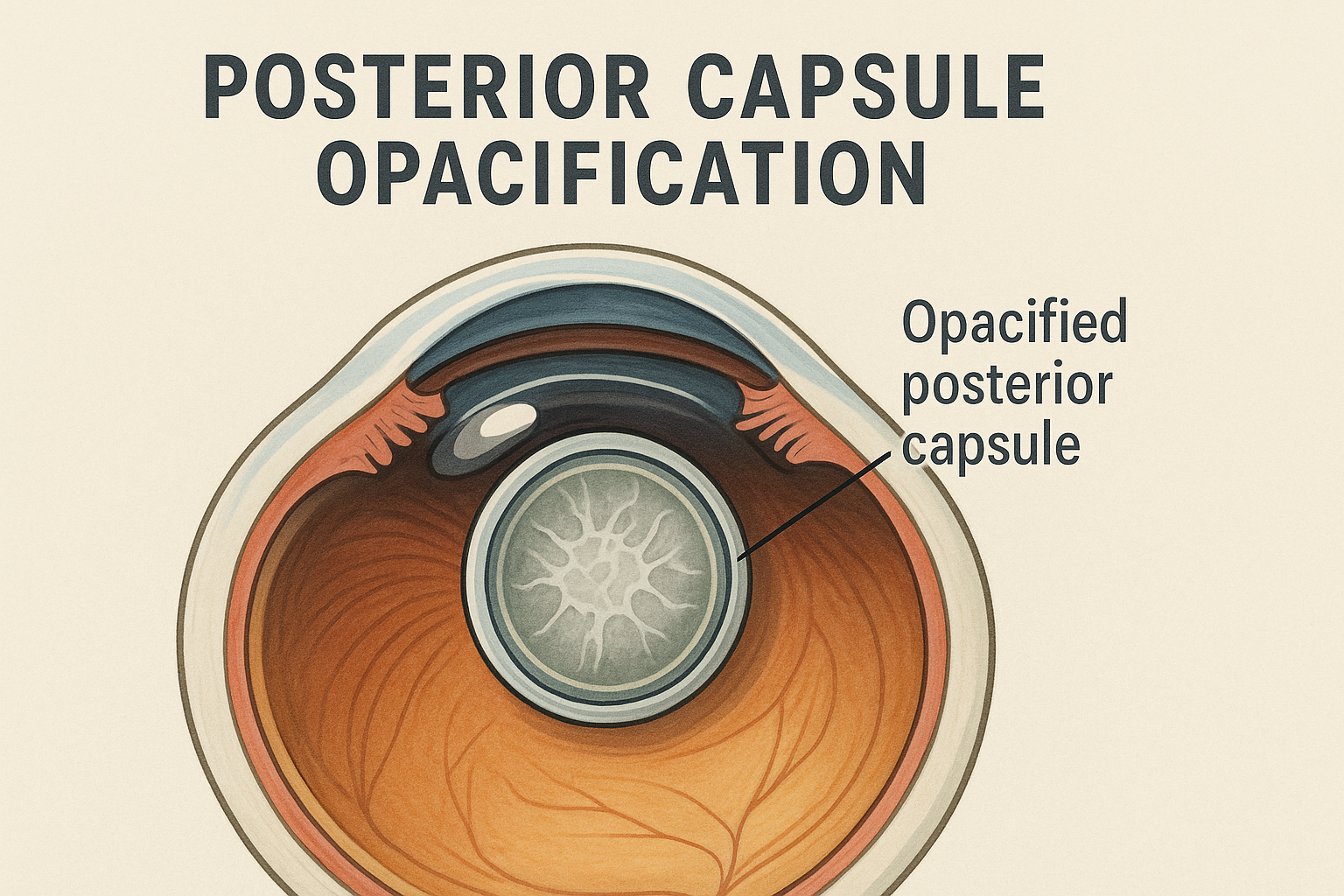
The most common long-term complication of RLE is posterior capsule opacification, sometimes called a ‘secondary cataract.’ This occurs when residual lens cells migrate onto the back surface of the lens capsule, causing gradually blurred vision. PCO is not a true cataract and is easily treated with a quick, painless laser procedure called YAG capsulotomy, which typically restores clear vision immediately.(Book RLE consultation Mumbai)
Retinal Detachment Risk in High Myopes
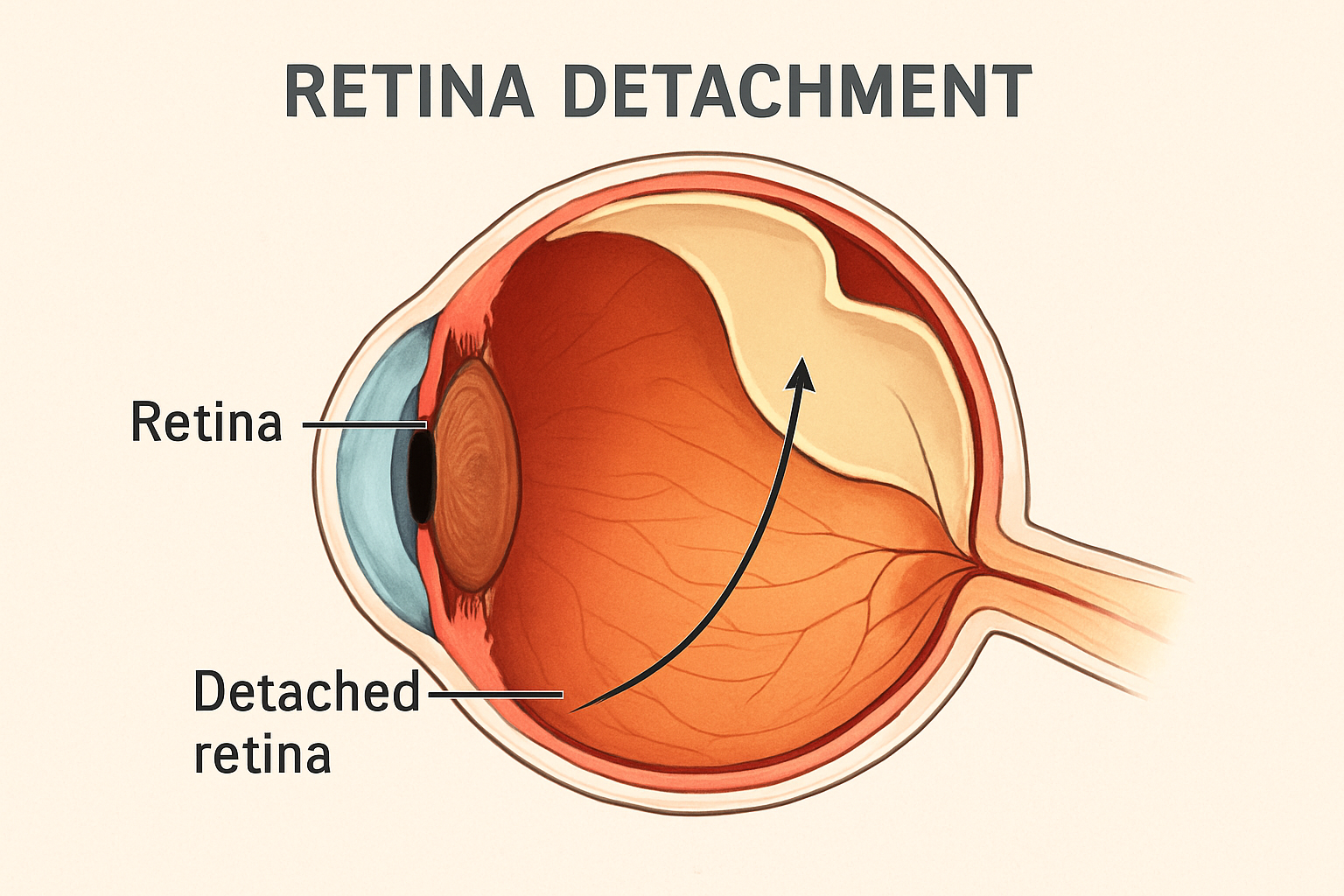
Patients with high myopia (very long eyes) have a higher baseline risk of retinal detachment compared to the general population, regardless of whether they undergo RLE. However, the surgical manipulation of the lens during RLE does carry a small additional incremental risk. Dr. Gala (best doctor for glasses removal surgery) carefully evaluates the peripheral retina before and after RLE in high myopes, and performs prophylactic laser treatment of any retinal weak spots prior to surgery.
Optical Side Effects With Multifocal IOLs
Some patients with multifocal IOLs may experience halos, glare, or starbursts around lights, particularly in dim conditions. While these symptoms often diminish with neuroadaptation over the first few months, they do persist in a small minority of patients. Dr. Gala conducts thorough patient selection and counselling to identify those most likely to tolerate multifocal optics well.(Book RLE consultation Mumbai)
Residual Refractive Error
While IOL power calculation is highly accurate, small degrees of residual refractive error are possible. In most cases, these are mild and clinically insignificant. If needed, additional laser enhancement (LASIK or PRK) can be performed after the eye has fully healed, a technique known as ‘bioptics.’(talk to eye specialist for presbyopia)
Endophthalmitis
Infection inside the eye (endophthalmitis) is a rare but serious complication of any intraocular surgery. The risk is minimised by strict adherence to sterile surgical technique and the use of prophylactic antibiotic eye drops before and after surgery.(Book RLE consultation Mumbai)
RLE vs. LASIK vs. SMILE: Which Is Right for You?
Choosing between RLE, LASIK, and SMILE can feel overwhelming. Here is a side-by-side comparison to help you understand the key differences:
Age Range: LASIK and SMILE are typically preferred for patients aged 18-40 with stable prescriptions. RLE is the preferred option for patients over 40, especially those with presbyopia.(Schedule lens replacement surgery)
Prescription Range: LASIK corrects up to approximately -10.00 D myopia and +4.00 D hyperopia. SMILE treats up to -10.00 D myopia. RLE has virtually no prescription limit.
Corneal Involvement: LASIK and SMILE both reshape the cornea; RLE does not touch the cornea.(Book RLE consultation Mumbai)
Presbyopia Correction: LASIK and SMILE do not correct presbyopia effectively. RLE with a premium IOL can eliminate the need for both reading and distance glasses simultaneously.
Cataract Prevention: Only RLE permanently prevents cataracts. LASIK and SMILE have no effect on future cataract development.
Permanence: All three procedures offer lasting results, but RLE arguably offers the most permanent correction since the IOL cannot change or degrade.
During your consultation with Dr. Jignesh Gala (best doctor for glasses removal surgery)at Crystal Clear Eye, a comprehensive evaluation will determine which procedure is most appropriate for your individual eyes and goals.
Life After Refractive Lens Exchange: What Patients Experience
The post-RLE experience is one of the most rewarding aspects of the procedure. Here are some common themes Dr. Gala’s patients share:(talk to eye specialist for presbyopia)
Waking Up to Natural, Unaided Vision
For patients who have worn glasses or contact lenses since childhood, the experience of waking up and seeing clearly without reaching for spectacles is described as genuinely life-changing. Simple daily activities — reading a menu, seeing the time on a clock, recognising faces across a room — become effortless and natural once more.(Book RLE consultation Mumbai)
Freedom During Sports and Travel
Patients who are physically active — runners, swimmers, golfers, trekkers — particularly value the freedom that spectacle independence brings. The inconvenience of fogged glasses, dislodged contact lenses, or the fear of losing spectacles during physical activity is permanently resolved.(Book RLE consultation Mumbai)
Professional and Social Confidence
Many patients report enhanced professional and social confidence after RLE. The ability to make direct eye contact, participate in video calls, and engage fully in presentations without glasses is highly valued in today’s professional environment.
Reading Without Glasses
For patients who chose premium multifocal or EDOF IOLs, the ability to read books, browse on smartphones, and work on computers without reading glasses is frequently cited as the single greatest quality-of-life improvement.(Schedule lens replacement surgery)
Why Choose Dr. Jignesh Gala and Crystal Clear Eye for RLE?
When it comes to a procedure as precise and permanent as Refractive Lens Exchange, the experience, technology, and care provided by your surgical team are paramount. Here is why Crystal Clear Eye, under the leadership of Dr. Jignesh Gala, is one of India’s most trusted destinations for premium lens surgery:(Book RLE consultation Mumbai)
Expertise and Experience
Dr. Jignesh Gala(best doctor for glasses removal surgery) is a highly experienced ophthalmic surgeon with a specialised focus on refractive and cataract surgery. With thousands of successful lens procedures performed, Dr. Gala (best doctor for glasses removal surgery)brings exceptional technical skill, sound surgical judgment, and a deep commitment to patient safety to every procedure. His approach combines evidence-based medicine with genuine compassion, ensuring that each patient receives care that is both scientifically rigorous and personally attentive.
Advanced Diagnostic Technology
Crystal Clear Eye is equipped with the latest generation of ophthalmic diagnostic instruments, including:
- Optical coherence tomography (OCT) for detailed retinal and anterior segment imaging(Book RLE consultation Mumbai)
- Swept-source optical biometry for highly accurate IOL power calculation
- Corneal topography and tomography for comprehensive corneal mapping
- Specular microscopy for corneal endothelial cell assessment(talk to eye specialist for presbyopia)
- Wavefront aberrometry for measurement of higher-order optical aberrations
This diagnostic infrastructure ensures that every aspect of your eye is thoroughly assessed before a surgical plan is finalised.
Premium IOL Portfolio
Crystal Clear Eye offers a comprehensive portfolio of the world’s leading IOL brands and technologies, including monofocal, multifocal, trifocal, EDOF, and toric options from internationally renowned manufacturers. Dr. Gala works closely with each patient to select the IOL that best matches their visual goals, lifestyle demands, and ocular anatomy.(Schedule lens replacement surgery)
State-of-the-Art Surgical Facility
Our surgical suite is equipped with the latest generation phacoemulsification platforms and femtosecond laser cataract surgery systems, enabling the safest and most precise lens extraction techniques available today. Every step of the surgery is performed under rigorous infection control protocols to minimise risk.
Personalised, Patient-Centred Care
At Crystal Clear Eye, you are never just a patient number. Dr. Gala and his team take the time to understand your unique visual needs, explain every aspect of your treatment in plain language, and are available to answer your questions at every stage. From your first consultation to your final follow-up visit, you receive consistent, attentive, personalised care.(Book RLE consultation Mumbai)
Transparent, Honest Counselling
Dr. Gala believes that informed patients make the best decisions. During your consultation, you will receive a thorough, balanced explanation of all available options — including RLE, LASIK, SMILE, and contact lenses — with an honest assessment of the benefits and limitations of each. There is no pressure or hard selling at Crystal Clear Eye; only honest, evidence-based guidance in your best interest.(talk to eye specialist for presbyopia)
Frequently Asked Questions About Refractive Lens Exchange
Is RLE painful?
No. RLE is performed under topical anaesthesia (eye drops), so the procedure is entirely painless. You may feel slight pressure during the surgery, but there is no pain. Most patients are pleasantly surprised by how comfortable the experience is.(Schedule lens replacement surgery)
How long does RLE surgery take?
The surgery itself takes approximately 10 to 15 minutes per eye. Both eyes are typically treated on the same day, or on consecutive days, depending on your surgeon’s recommendation.
When will I see clearly after RLE?
Most patients notice a significant improvement in vision within hours of the procedure. Vision continues to improve and stabilise over the following weeks. Full visual outcomes are typically established within 1 to 3 months, particularly with multifocal IOLs, which require a period of neuroadaptation.(Book RLE consultation Mumbai)
Will I need glasses after RLE?
This depends on the type of IOL chosen. With premium multifocal or EDOF IOLs, the majority of patients achieve complete spectacle independence for both distance and near tasks. With monofocal IOLs, reading glasses may still be needed for near work. Dr. Gala will discuss realistic expectations based on your IOL choice during your consultation.(talk to eye specialist for presbyopia)
Is RLE safe?
RLE is one of the most commonly performed elective surgical procedures in the world and has an excellent safety profile. Like all surgical procedures, it carries small risks — these are discussed in detail during your pre-operative consultation. With meticulous patient selection, advanced technology, and experienced surgical technique, the risk of serious complications is very low.(Book RLE consultation Mumbai)
How much does RLE cost in India?
The cost of RLE depends on the type of IOL selected and the specific technology used. At Crystal Clear Eye, we offer transparent pricing with no hidden charges. Dr. Gala will provide you with a detailed cost breakdown during your consultation. We believe that investment in your vision is one of the most valuable investments you can make in your quality of life.(Schedule lens replacement surgery)
Can RLE be done if I have had LASIK before?
Yes. RLE can be performed in eyes that have previously undergone LASIK or other corneal refractive surgery. However, special IOL power calculation formulae must be used to account for the corneal changes from the prior laser surgery. At Crystal Clear Eye, Dr. Gala has extensive experience in managing post-LASIK RLE cases.(talk to eye specialist for presbyopia)
Is there a minimum or maximum age for RLE?
There is no absolute age limit for RLE. The procedure is most commonly recommended for patients aged 40 to 70. Younger patients are generally better served by corneal laser procedures, while older patients may benefit from careful retinal and optic nerve evaluation before proceeding.(Book RLE consultation Mumbai)
Can both eyes be done on the same day?
Many surgeons, including Dr. Gala, offer bilateral simultaneous RLE (both eyes on the same day), which is convenient and reduces the total recovery period. In some cases, a staged approach (one eye first, followed by the second eye one to two weeks later) may be recommended based on individual assessment.
Preparing for Your RLE Consultation at Crystal Clear Eye
If you are considering Refractive Lens Exchange, here is how to prepare for your consultation with Dr. Jignesh Gala:
- Discontinue contact lens wear at least 2 weeks before your consultation (longer for rigid gas permeable lenses) to allow your cornea to return to its natural shape
- Bring your current spectacle prescription if available(Schedule lens replacement surgery)
- Prepare a list of all medications and supplements you are currently taking
- Note any history of eye surgery, eye disease, or systemic conditions such as diabetes or autoimmune disorders
- Think about your visual goals — what activities are most important to you, and what level of spectacle independence you desire
- Write down any questions or concerns you wish to discuss with Dr. Gala(Book RLE consultation Mumbai)
Your consultation at Crystal Clear Eye is a relaxed, unhurried appointment. Dr. Gala will spend significant time with you, ensuring that you leave fully informed and confident about your treatment options.
Conclusion: Take the First Step Towards Lifelong Clear Vision
Refractive Lens Exchange represents one of the most advanced and comprehensive vision correction options available in modern ophthalmology. By permanently replacing the natural lens with a precisely calculated premium IOL, RLE offers the possibility of clear, spectacle-free vision at all distances — along with the added bonus of lifelong cataract prevention.(talk to eye specialist for presbyopia)
If you are over 40 and dreaming of waking up every morning to crisp, natural vision, Dr. Jignesh Gala (best doctor for glasses removal surgery) and the team at Crystal Clear Eye are here to make that dream a reality. With world-class technology, a premium portfolio of the latest IOL options, and personalised care that puts your wellbeing first, Crystal Clear Eye is committed to delivering outcomes that genuinely transform lives.(talk to eye specialist for presbyopia)
Do not let another year pass squinting through outdated glasses or struggling with uncomfortable contact lenses. The clear, free vision you deserve is within reach.
Supporting Pages:
- RLE Cost in Mumbai
- RLE vs LASIK
- Best Surgery After 40 for Vision Correction
- Presbyopia Treatment Options
- Multifocal & Trifocal IOL Guide
Book Your Consultation Today
Crystal Clear Eye | Dr. Jignesh Gala (best doctor for glasses removal surgery) (talk to eye specialist for presbyopia)
Contact Crystal Clear Eye Hospital – Andheri West
Crystal Clear Eye Hospital
B 125, Laram Centre, S V Road,
Andheri West, Mumbai, Maharashtra
Phone: +91 7718885245
Website: www.crystalcleareye.in
Disclaimer
This article is intended for informational purposes only and does not constitute medical advice. The information provided is general in nature and may not apply to your specific situation. Please consult Dr. Jignesh Gala or a qualified ophthalmologist for personalised advice regarding your eye health and suitability for Refractive Lens Exchange or any other vision correction procedure.